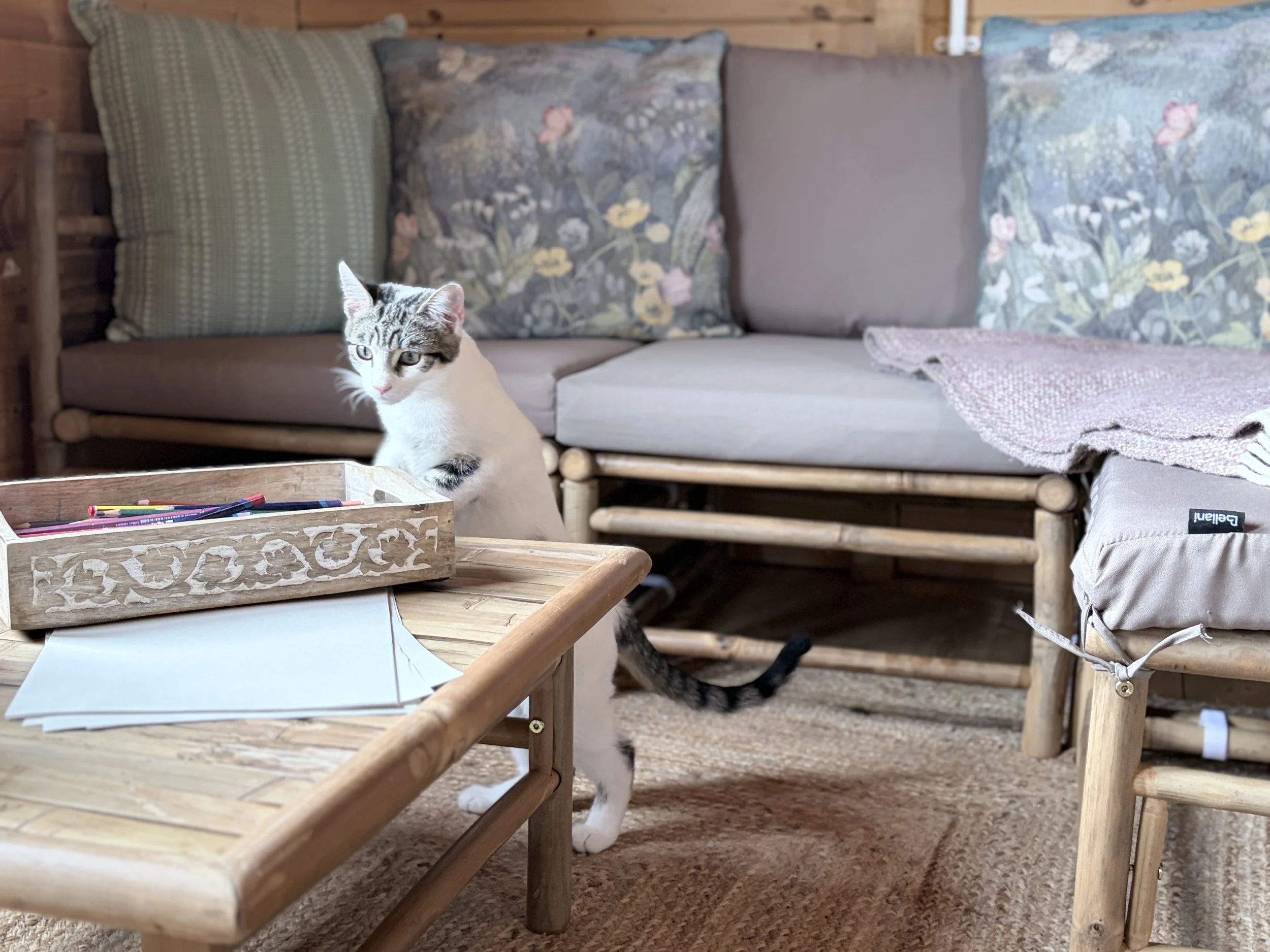
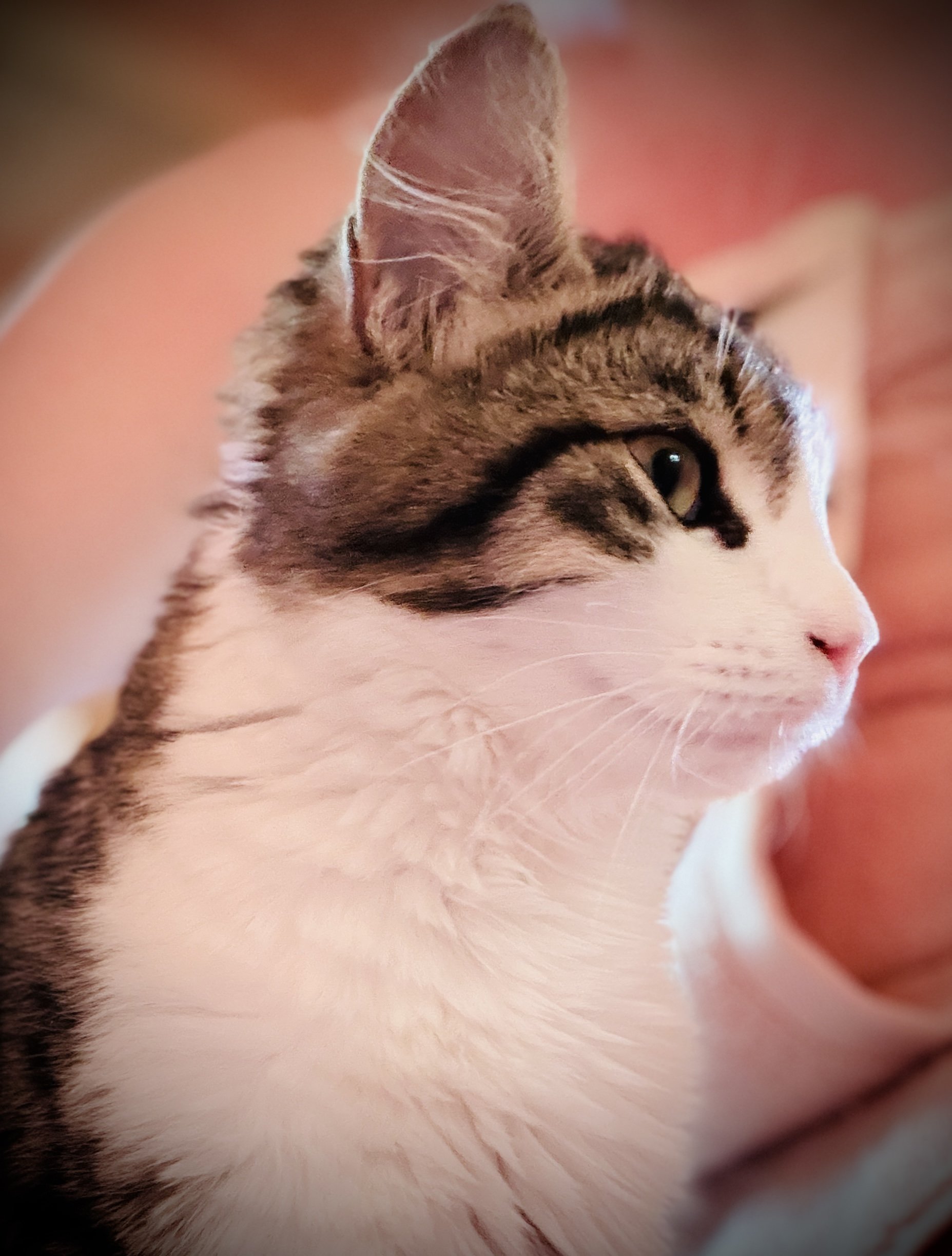
Animal-assisted therapy (AAT) is a therapeutic approach that intentionally incorporates animals.
At Nest and Nurture we use therapy cats into carefully assessed, goal-directed treatment plans led by a qualified Child and Adolescent Psychotherapist.
In AAT, the animal is a co-therapist whose presence and interactions are used to help achieve measurable therapeutic objectives for children and adolescents.
Key features:
Purposeful and structured: AAT is not casual pet visitation. Sessions are planned with specific therapeutic goals (e.g., improving social skills, reducing anxiety, increasing attention, building emotional regulation).
Child-centered: Activities are tailored to the child or young persons developmental level, diagnosis, strengths, and needs. Interventions can be individual, family-based, or group-oriented.
Evidence-informed: Research shows benefits in areas such as reducing stress and physiological arousal, increasing social engagement, improving mood, enhancing motivation for participation, and supporting learning of new skills.
How it helps children and adolescents
Emotional regulation: Animals can provide calming sensory input and a nonjudgmental presence, helping young people manage anxiety or overwhelm.
Social and communication skills: Animals can be used to practice turn-taking, verbal requests, eye contact, and reading nonverbal cues in a lower-pressure context.
Confidence and self-esteem: Successfully caring for or working with an animal can boost a young person’s sense of competence.
Engagement and motivation: Animals often increase willingness to participate in therapy, particularly for children who are reluctant to engage in traditional talk-based approaches.
Sensory support: In low-sensory settings, gentle animal contact can provide predictable, soothing sensory experiences beneficial for neurodivergent children, when matched carefully to sensory profiles.
Typical activities
Guided interaction (petting, grooming, playing)
Structured tasks involving the animal (care-taking, simple training, feeding)
Play-based exercises that target specific skills (turn-taking games, storytelling with the animal as a character)
Reflective moments where the client observes and describes feelings and links experiences with coping strategies
Animal-assisted activities integrated into school or educational interventions
When to consider AAT
When a child or young person is reluctant to engage with traditional therapy
As part of interventions for anxiety, trauma, ADHD, autism, attachment difficulties, or social skill development
To support school-based interventions or family therapy in ways that increase participation and practical skill-building
At Nest & Nurture, we provide an autism-friendly, low-sensory setting and carefully selected animal-assisted interventions as part of individualised therapeutic plans.